About the Specimen
The Blue Whale of Colombo
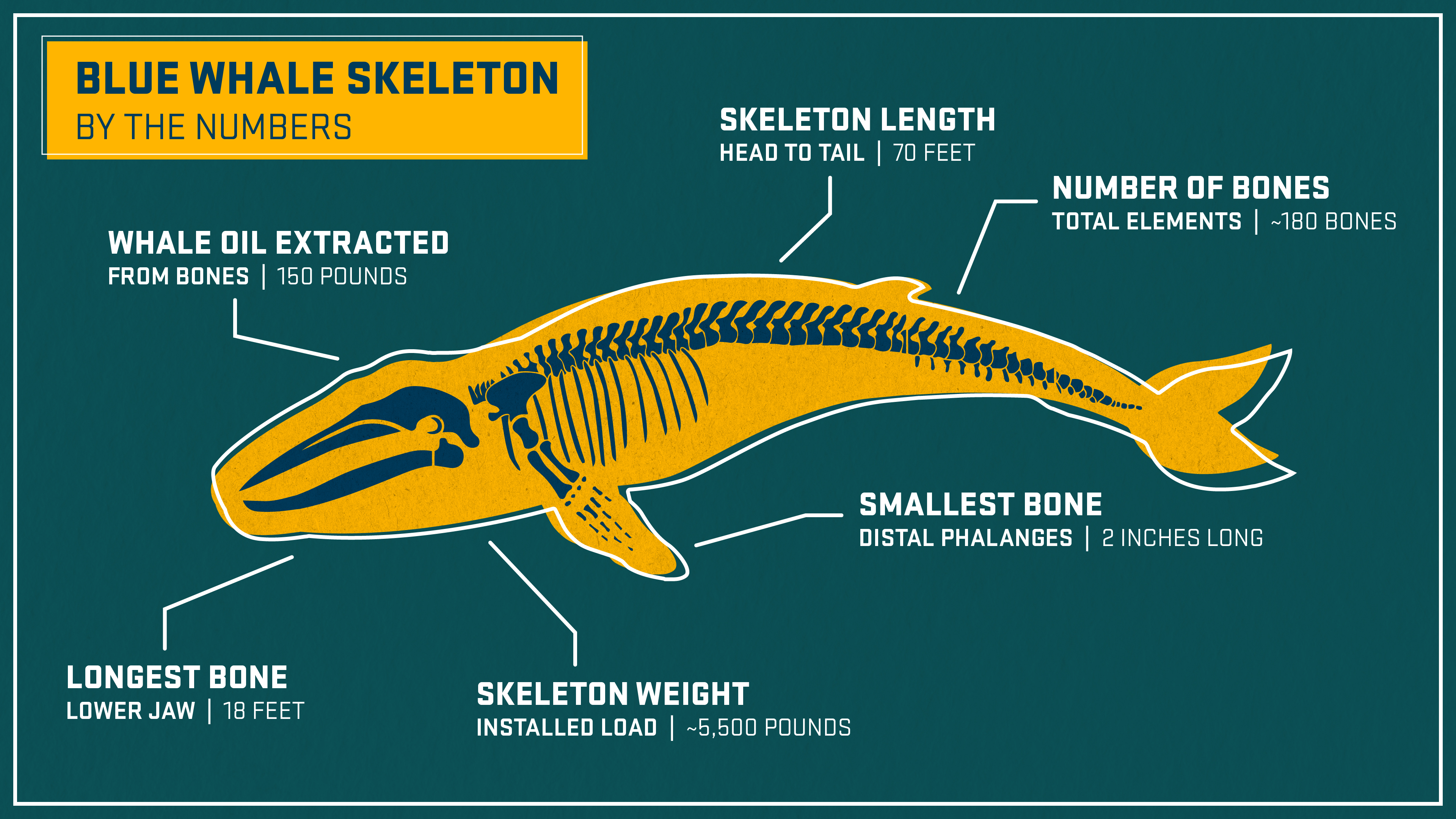
Suspended in the grand hall of the Colombo National Museum, the blue whale skeleton stands as one of South Asia's most extraordinary natural history exhibits. Measuring over 27 metres in length, this specimen was recovered from the waters off Sri Lanka's southern coast and has captivated visitors since 1914. Its silent, towering presence is a testament to the immensity of life that once roamed the depths of the Indian Ocean — and a reminder of how little we have truly understood the ocean's greatest inhabitants.
The skeleton was carefully articulated and mounted over several years, preserving the natural curvature of the animal's spine. Each of the more than 200 bones tells a story — of feeding frenzies in cold Antarctic waters, of migrations spanning thousands of kilometres, and of a creature whose heart alone weighs as much as a small car. To stand beneath it is to confront the full scale of life on this planet in a way no photograph or film can replicate.
Unknown Facts About the Bones
Blue whale bones are far from solid — they are highly porous and saturated with lipids, functioning as buoyancy aids in life. This oily interior made whale skeletons notoriously difficult to preserve; early museum specimens often became greasy and odorous decades after mounting.
The Colombo specimen's mandible alone stretches over five metres. The skull, which represents nearly a quarter of total body length, houses a rostrum broad enough for a person to lie flat across. Remarkably, blue whales have no teeth — the keratin baleen plates that once filtered krill have long since decomposed, leaving only the bony structures of the jaw.
Scientists can estimate a whale's age from its earwax plug — a layered column that accumulates throughout the animal's life much like tree rings. Chemical analysis of these plugs has also revealed hormonal surges, stress events, and even contaminant exposure over a lifetime.
Myths & Findings
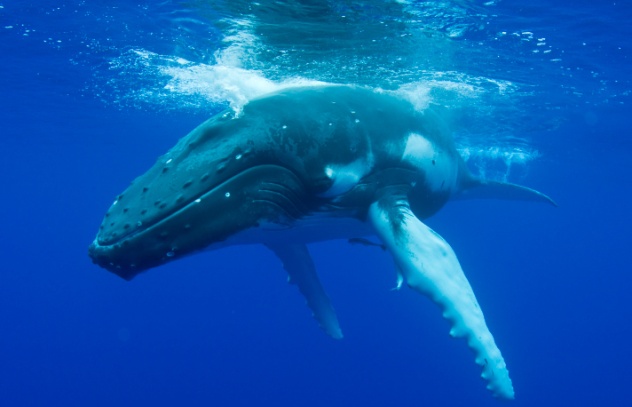
For centuries, blue whales were the stuff of maritime legend. Sailors who encountered their vast, dark shapes at the surface mistook them for sea monsters or living islands. In Sri Lankan coastal tradition, the whale's breath — a vapour column rising six metres into the air — was thought to be the exhalation of a divine serpent guarding the ocean's depths.
Modern science has replaced myth with marvels no less astonishing. Research vessels off the Sri Lankan coast have documented blue whales producing calls as low as 14 hertz — below human hearing — that can travel thousands of kilometres through deep-ocean sound channels. The Colombo specimen may have communicated with whales as far away as the coasts of Oman or Madagascar.
Genetic studies have also revealed that the Northern Indian Ocean blue whale population is genetically distinct from those of the Antarctic and North Pacific, suggesting centuries of reproductive isolation shaped by the subcontinent's landmass.